Sewage Backup Cleanup in Indianapolis
Sewage entering a basement, bathroom, or crawlspace is a health hazard, not an ordinary water spill. Wastewater may contain disease-causing organisms and can contaminate porous building materials. Keep the area isolated and arrange professional source repair and cleanup.
What causes this water damage?
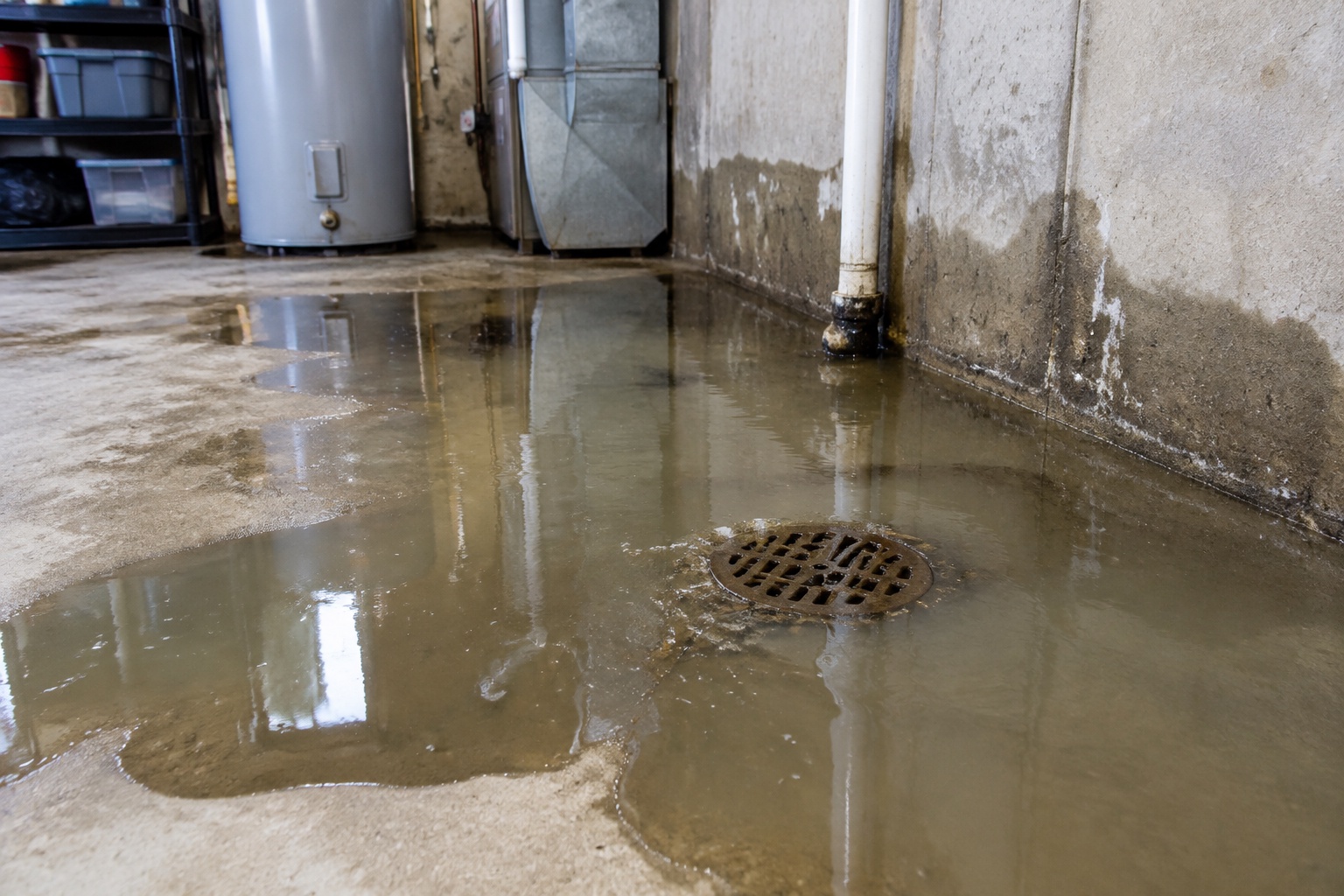
Blocked private sewer laterals, root intrusion, damaged pipes, and overloaded sewer systems can push wastewater through low drains. Gurgling toilets, multiple slow fixtures, and repeated floor-drain backups are warning signs. A plumber should establish whether the problem is in your service line or a wider system.
What to do first
- 1
Isolate the affected space
Keep children, pets, and anyone not involved in professional cleanup out. Do not wade into sewage or touch wet belongings. If wastewater is near power or the electrical panel, keep out and have the utility or an electrician address the hazard.
- 2
Stop using household drains
Pause toilets, showers, sinks, dishwashers, and laundry until the cause is assessed. Using fixtures can worsen a blocked-line backup. Closing the home’s supply does not stop wastewater entering from a sewer.
- 3
Call for sewer diagnosis and restoration
A licensed plumber can inspect and address the blockage or damaged pipe. Contact the wastewater utility when a public-system problem is suspected. Arrange a restoration team trained in contaminated-water extraction and sanitation.
- 4
Record the damage safely
Take photos without entering the affected zone. List damaged belongings and contact your insurer about sewer-backup coverage. Keep receipts, and coordinate documentation before professionals remove contaminated materials.
Cleanup, drying, and mitigation
Professional cleanup uses appropriate protective equipment, controlled work areas, and equipment suited to contaminated water. Ordinary household fans and vacuums are not substitutes.
Remove sewage and assess contaminated carpet, padding, insulation, drywall, and contents. Porous materials often cannot be safely restored; hard surfaces require thorough cleaning and appropriate disinfection.
After contamination is addressed, dry retained structural materials and document moisture levels. Restore the source and verify the area is ready before rebuilding or returning it to normal use.
What not to do
- Do not enter sewage water or handle soaked belongings without professional guidance.
- Do not use fans to spread contaminated aerosols through the home.
- Do not mix cleaning products or rely on fragrance to mask contamination.
- Do not reuse contaminated porous materials just because they look dry.
Reducing the risk of another loss
Do not pour grease down drains or flush wipes. Have repeated backups investigated with a sewer inspection. Ask a licensed plumber about maintaining your lateral and whether an approved backwater valve is appropriate. Check whether your insurance includes sewer and drain backup coverage.
Sewage Backups: frequently asked questions
- Can sewage backup be cleaned up with bleach?
- Bleach alone does not remove contamination inside porous materials or solve structural moisture. Sewage cleanup needs controlled removal, cleaning, appropriate disinfection, and drying; never mix chemicals.
- Does standard homeowners insurance cover sewer backups?
- Many policies require a specific sewer-and-drain backup endorsement. Coverage and limits vary, so ask your insurer before assuming cleanup costs are covered.
- Should I leave the home?
- At minimum, keep everyone out of the contaminated area. Extensive contamination, affected HVAC systems, electrical hazards, or vulnerable occupants may require temporary relocation; obtain professional guidance.
- Will shutting off the water stop a sewer backup?
- It stops your own supply use, but not wastewater entering from a sewer system. Stop using drains and have a plumber or utility identify and resolve the source.
Water damage in Indianapolis? Get help now.
Call for a free estimate and 24/7 emergency assistance with water extraction, cleanup, and structural drying in Indianapolis and surrounding communities.
Emergency water damage assistance
Call (317) 458-9518