Drying & repairs · Indianapolis, Indiana
What is water extraction, and is it the same as drying?
By 317 Water Damage ·
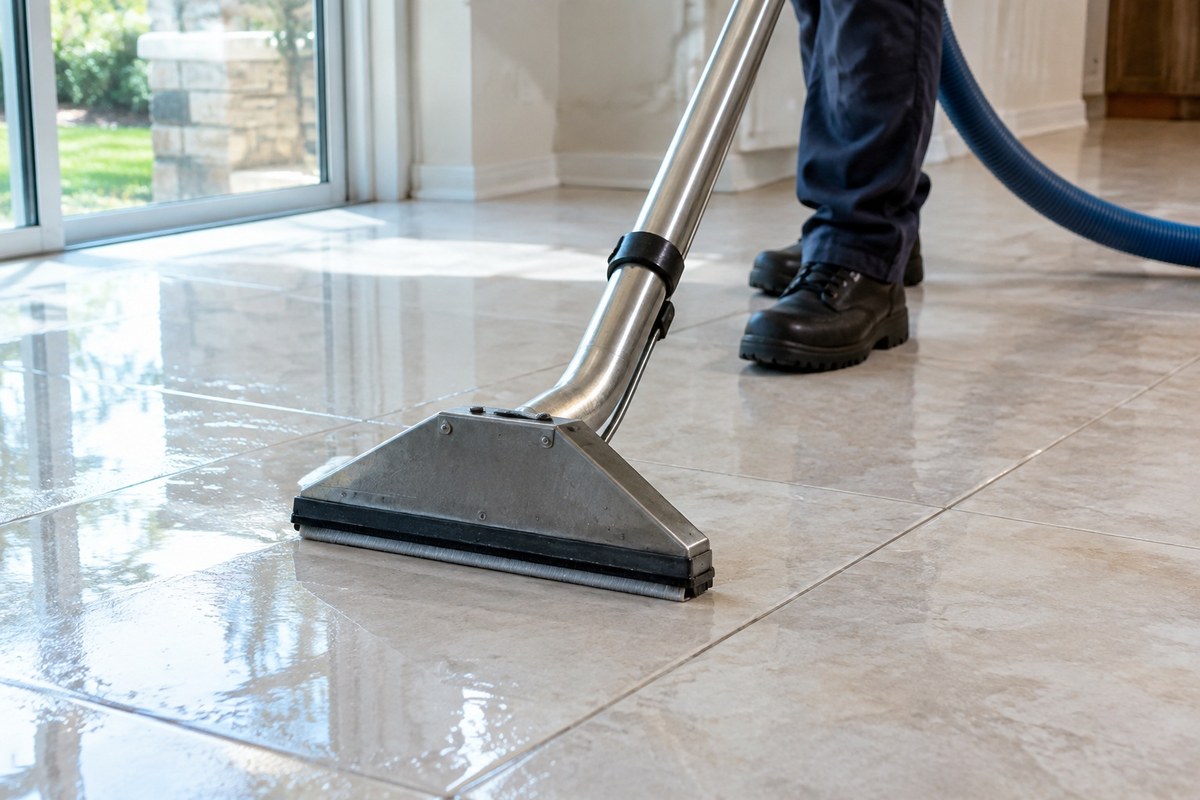
Extraction removes accessible liquid water. Drying addresses moisture retained in building materials and the air. Both may be needed, and removing a puddle does not establish that a floor or wall assembly is ready for repairs.
Why extraction usually comes first
Standing water continues to contact and saturate materials. Suitable equipment can remove it after electrical safety and access are established. Deep or contaminated water requires an appropriate plan rather than ordinary household vacuuming.
What remains after extraction
Padding, wood, drywall, and concealed cavities may still contain water. Dehumidification and controlled air movement are selected for retained materials. Contamination can require cleaning and removal before airflow is used.
What to ask about completion
Request both the extraction scope and drying documentation. Ask which materials are being monitored and what determines when equipment is removed. Repairs should follow the condition of the assembly, not only the disappearance of surface water.
Your next steps
- Establish safe access before equipment is used.
- Assess contamination and retained materials.
- Confirm drying goals and progress measurements.
Safety and recovery references
- EPA: Flood cleanup and indoor air quality
- CDC: Mold cleanup after disasters
- National Flood Insurance Program: Recovery checklist
General guidance does not replace a site assessment, licensed trade advice, or your insurer’s policy review. Keep out of areas with electrical, structural, or contamination hazards.