Mold & moisture · Indianapolis, Indiana
What is the difference between mold inspection and remediation?
By 317 Water Damage ·
Inspection evaluates conditions and helps define the problem. Remediation addresses affected materials and the moisture that supports growth. They are related stages, but an inspection does not itself remove contamination or repair the source.
What an inspection can tell you
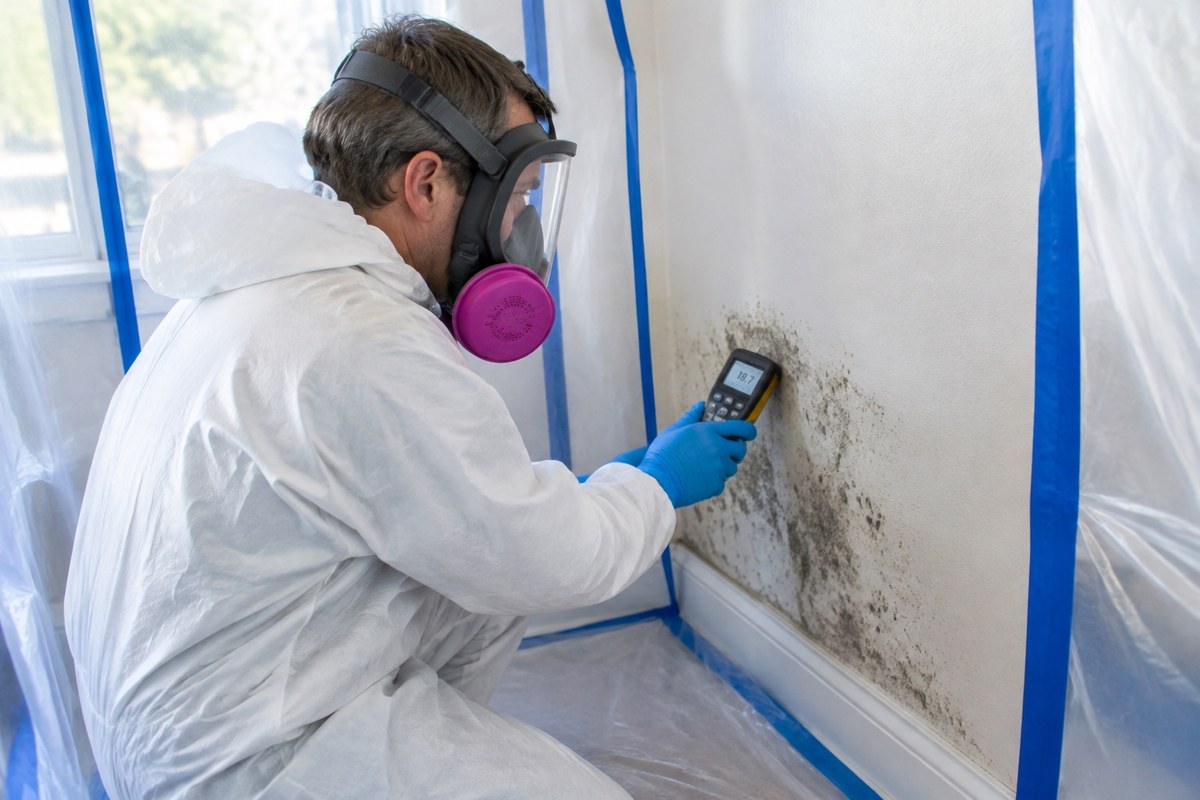
The assessment may review visible growth, odors, water-loss history, and accessible moisture conditions. It should explain limitations such as concealed cavities. Sampling should have a purpose rather than being assumed necessary in every case.
What remediation may include
The scope can involve work-area precautions, removal of unsuitable porous materials, cleaning of retained surfaces, and drying. The source of water must also be corrected. The extent of work depends on actual conditions, not a universal package.
Agree on how completion is evaluated
Ask what documentation and any follow-up evaluation are included. Rebuilding may be a separate stage after the affected area is ready. Do not assume that removal of the visible spot resolves moisture behind the wall.
Your next steps
- Ask what the inspection includes and excludes.
- Request a defined remediation scope.
- Confirm moisture correction before rebuilding.
Safety and recovery references
- EPA: Flood cleanup and indoor air quality
- CDC: Mold cleanup after disasters
- National Flood Insurance Program: Recovery checklist
General guidance does not replace a site assessment, licensed trade advice, or your insurer’s policy review. Keep out of areas with electrical, structural, or contamination hazards.