Mold & moisture · Indianapolis, Indiana
How quickly can mold grow after water damage?
By 317 Water Damage ·
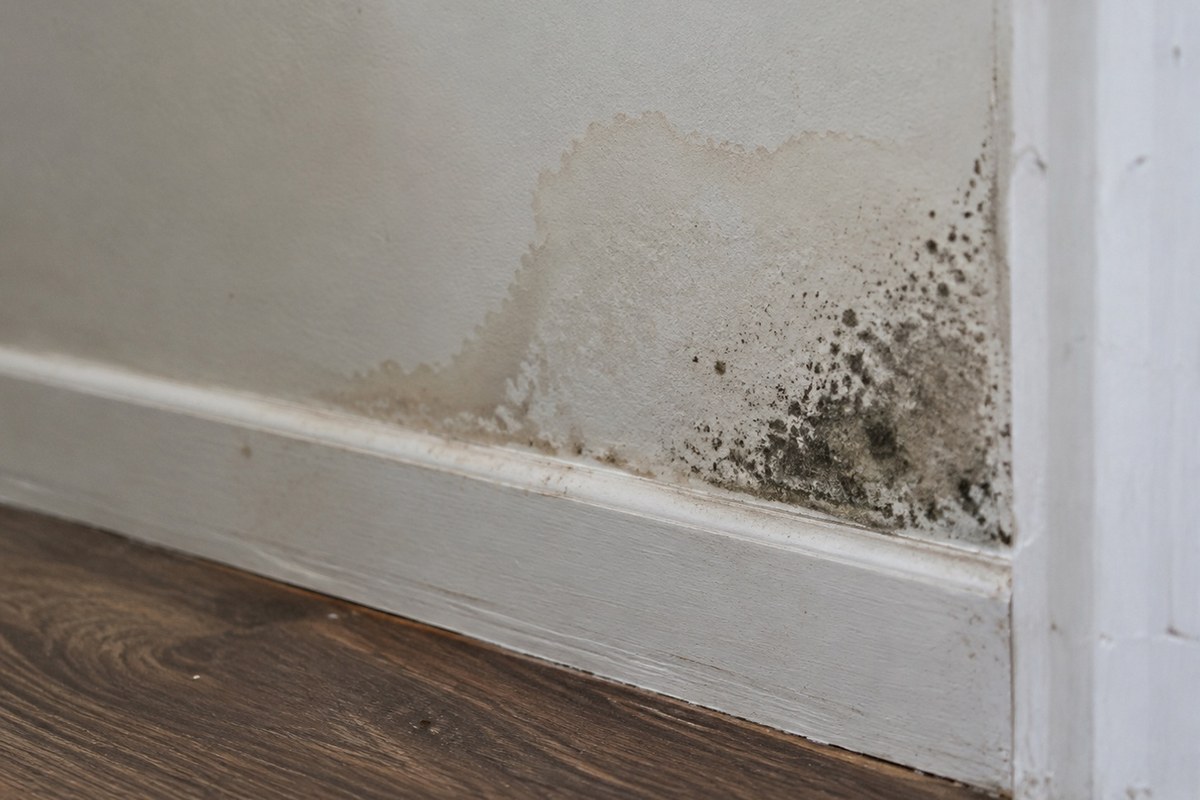
Mold risk increases when materials stay wet. EPA guidance urges prompt drying, and CDC disaster guidance warns that a home not dried within 24–48 hours may have mold growth. That window is a warning to act, not a guaranteed safe waiting period.
Time is only part of the risk
Moisture, temperature, material type, and contamination influence what happens after a loss. Drywall, cardboard, carpet, and wood may hold water out of sight. A room can look better while concealed moisture remains.
Drying and source repair matter together
Removing standing water reduces the immediate problem, but retained materials need appropriate drying. If a pipe continues leaking or humidity stays high, surface cleaning cannot correct the conditions. Ask for moisture assessment where the water traveled.
When suspected growth needs assessment
Musty odors, visible growth, or repeated dampness warrant investigation. Avoid disturbing affected materials or directing fans at suspected contamination. Professional assessment is especially important after sewage, extensive flooding, or exposure involving vulnerable occupants.
Your next steps
- Start safe mitigation promptly rather than waiting.
- Check hidden moisture, not just puddles.
- Keep occupants away from contaminated work areas.
Safety and recovery references
- EPA: Flood cleanup and indoor air quality
- CDC: Mold cleanup after disasters
- National Flood Insurance Program: Recovery checklist
General guidance does not replace a site assessment, licensed trade advice, or your insurer’s policy review. Keep out of areas with electrical, structural, or contamination hazards.