Mold & moisture · Indianapolis, Indiana
Can bleach fix mold after water damage?
By 317 Water Damage ·
Bleach is not a substitute for removing unsuitable materials and correcting moisture. The cleanup method depends on the surface and contamination, and mixing bleach with other products can create dangerous fumes.
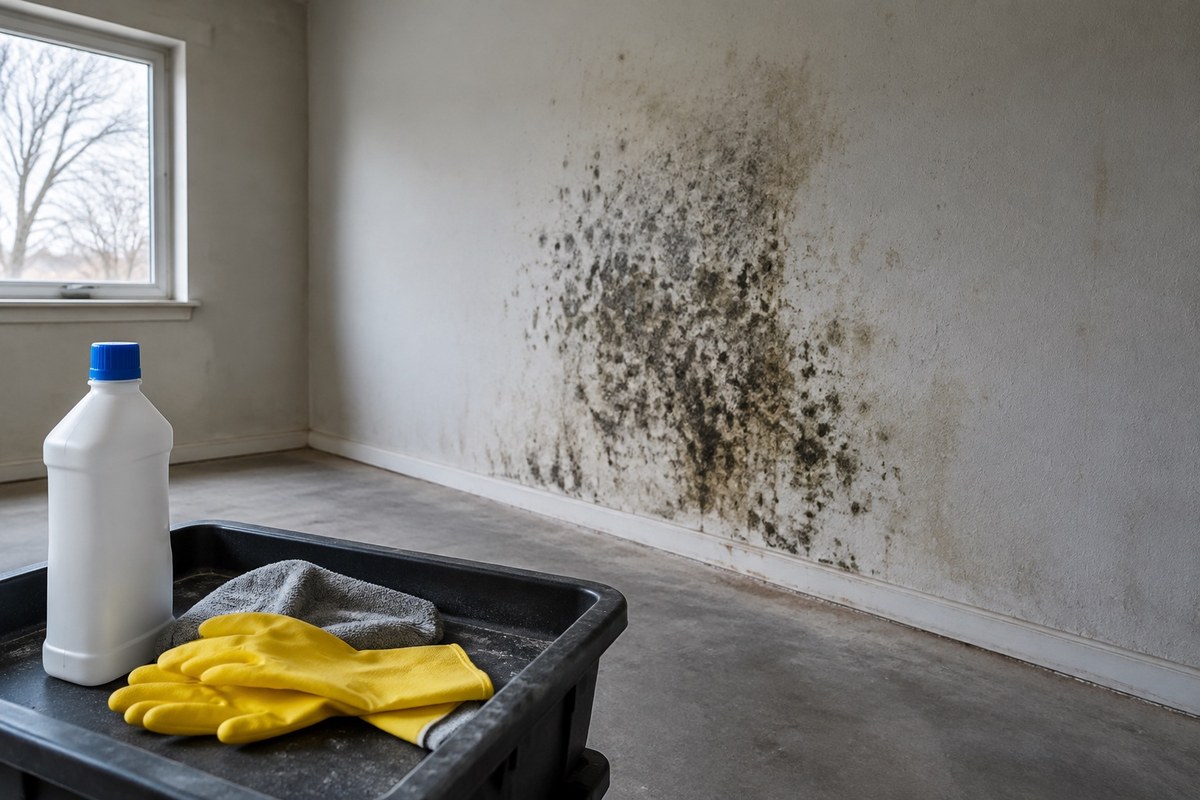
Moisture is the continuing problem
Mold can return if a leak or damp building material remains. Surface appearance may improve without the underlying assembly becoming dry. Source correction and suitable drying should be part of the plan.
Porous materials need different decisions
Drywall, insulation, carpet, and particleboard cannot always be restored by wiping the surface. A qualified assessment should identify what can be cleaned and what requires removal. Avoid disturbing extensive growth or sewage-affected materials.
Use safe, source-specific methods
Follow professional and product guidance for retained surfaces. Never mix cleaning products or assume a strong smell proves disinfection. Vulnerable occupants should avoid contaminated areas, and extensive damage warrants professional assessment.
Your next steps
- Do not mix cleaning chemicals.
- Fix moisture and assess affected materials.
- Keep occupants out of contaminated work areas.
Safety and recovery references
- EPA: Flood cleanup and indoor air quality
- CDC: Mold cleanup after disasters
- National Flood Insurance Program: Recovery checklist
General guidance does not replace a site assessment, licensed trade advice, or your insurer’s policy review. Keep out of areas with electrical, structural, or contamination hazards.