
Basements & storms · Indianapolis, Indiana
What should I do if my sump pump fails during heavy rain?
By 317 Water Damage ·
Keep out of unsafe basement water and arrange help with both the pump or drainage problem and the resulting damage. Do not reach into water to check a float, plug, or breaker.
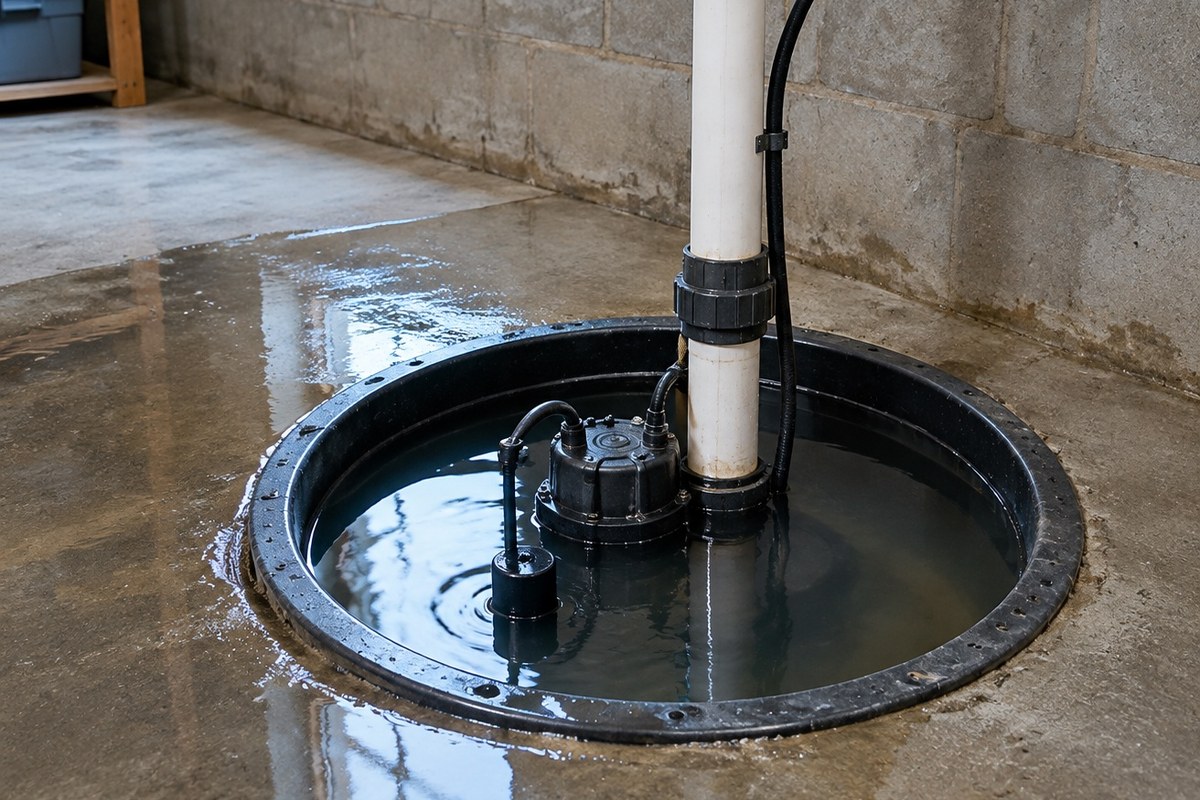
A stopped pump is not always the same fault
A power outage, stuck float, blocked discharge, or worn pump can each require a different response. A qualified plumber or appropriate service professional should diagnose the cause after electrical safety is established. Running another appliance on a wet circuit is not a safe workaround.
Rainwater still needs careful assessment
Water entering through drains or saturated ground can carry contamination. Explain its entry path to the restoration team. Basement insulation, wall bases, stored cardboard, and flooring may need assessment even after the pump starts working again.
Plan prevention after the immediate loss
Ask about pump maintenance, discharge condition, and whether backup power or an alarm is appropriate. Also review drainage around the foundation. Preventive upgrades should address the actual failure rather than assuming every flood is solved by a larger pump.
Your next steps
- Keep clear of wet power equipment.
- Arrange pump diagnosis and water mitigation.
- Review backup and drainage options after cleanup.
Safety and recovery references
- EPA: Flood cleanup and indoor air quality
- CDC: Mold cleanup after disasters
- National Flood Insurance Program: Recovery checklist
General guidance does not replace a site assessment, licensed trade advice, or your insurer’s policy review. Keep out of areas with electrical, structural, or contamination hazards.