Hiring & emergencies · Indianapolis, Indiana
What should I do first after finding water damage?
By 317 Water Damage ·
Put safety first, stop a reachable plumbing source only if it is safe, and document the damage. Do not enter standing water to reach a breaker or shutoff. Arrange qualified help when electricity, sewage, or unstable materials are involved.
Make the area safe
Keep people and pets away from affected rooms. Water near outlets, appliances, or the electrical panel should be treated as a hazard. If you smell gas or see sparking, leave and contact emergency services or the utility from safety.
Stop additional water without taking risks
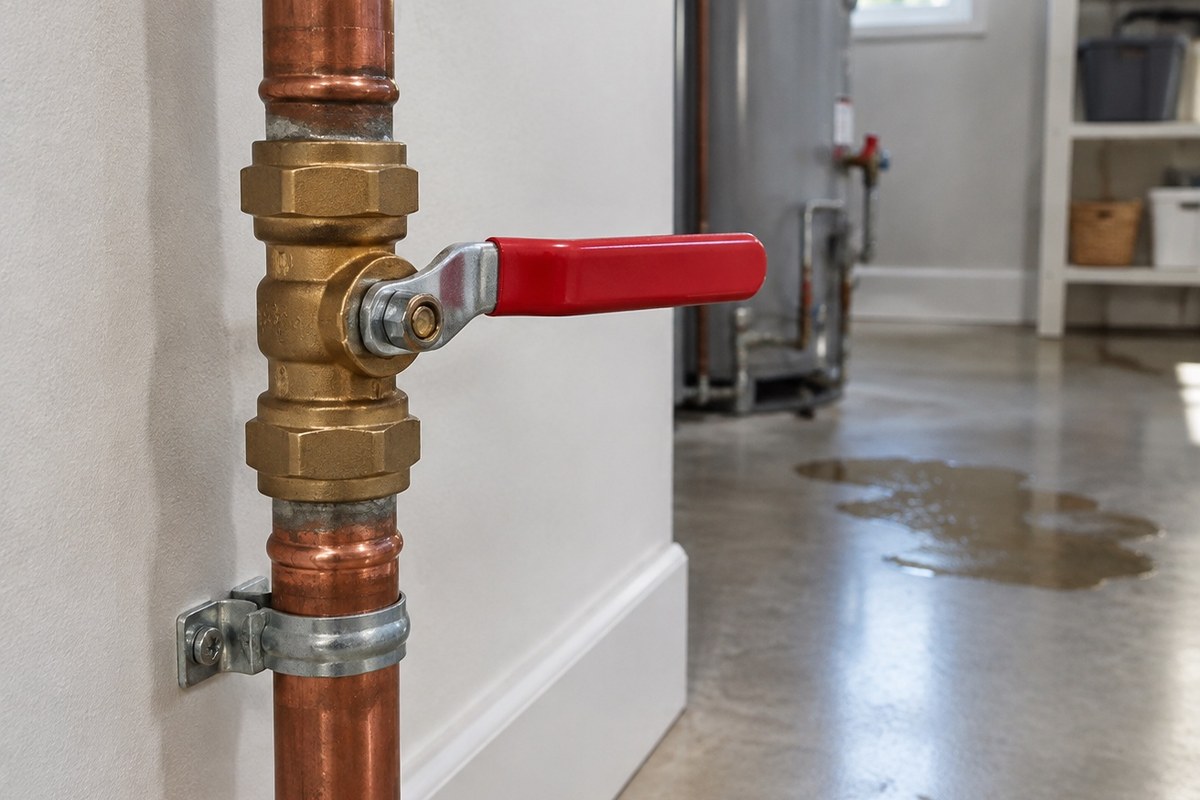
A safely reachable fixture valve may stop an appliance or toilet supply leak. The main shutoff may be needed for an inaccessible supply-line break. Outdoor floodwater and sewer backups are different: closing a supply valve does not stop water entering from outside the plumbing system.
Document and arrange mitigation
Take photos without entering unsafe areas, then call your insurer and restoration help. Move dry possessions away from the water path only when safe. Do not delay action simply because the visible puddle is small; moisture may already be under floors or behind walls.
Your next steps
- Keep occupants away from electrical and structural hazards.
- Close a safely accessible supply valve if appropriate.
- Photograph damage and request source-specific help.
Safety and recovery references
- EPA: Flood cleanup and indoor air quality
- CDC: Mold cleanup after disasters
- National Flood Insurance Program: Recovery checklist
General guidance does not replace a site assessment, licensed trade advice, or your insurer’s policy review. Keep out of areas with electrical, structural, or contamination hazards.