Hiring & emergencies · Indianapolis, Indiana
Can I stay in my home during water damage restoration?
By 317 Water Damage ·
It depends on safety, contamination, access, and the work being performed. A small isolated clean-water loss differs from sewage, unstable materials, affected utilities, or extensive remediation. Ask the team and relevant safety professionals before occupying affected spaces.
Some hazards require leaving the area
Electrical risks, gas concerns, unstable ceilings, and contaminated water should keep occupants out. Follow emergency officials’ instructions after a flood or fire. Children, pets, and people with health vulnerabilities may need additional precautions.
Work zones and utilities affect daily living
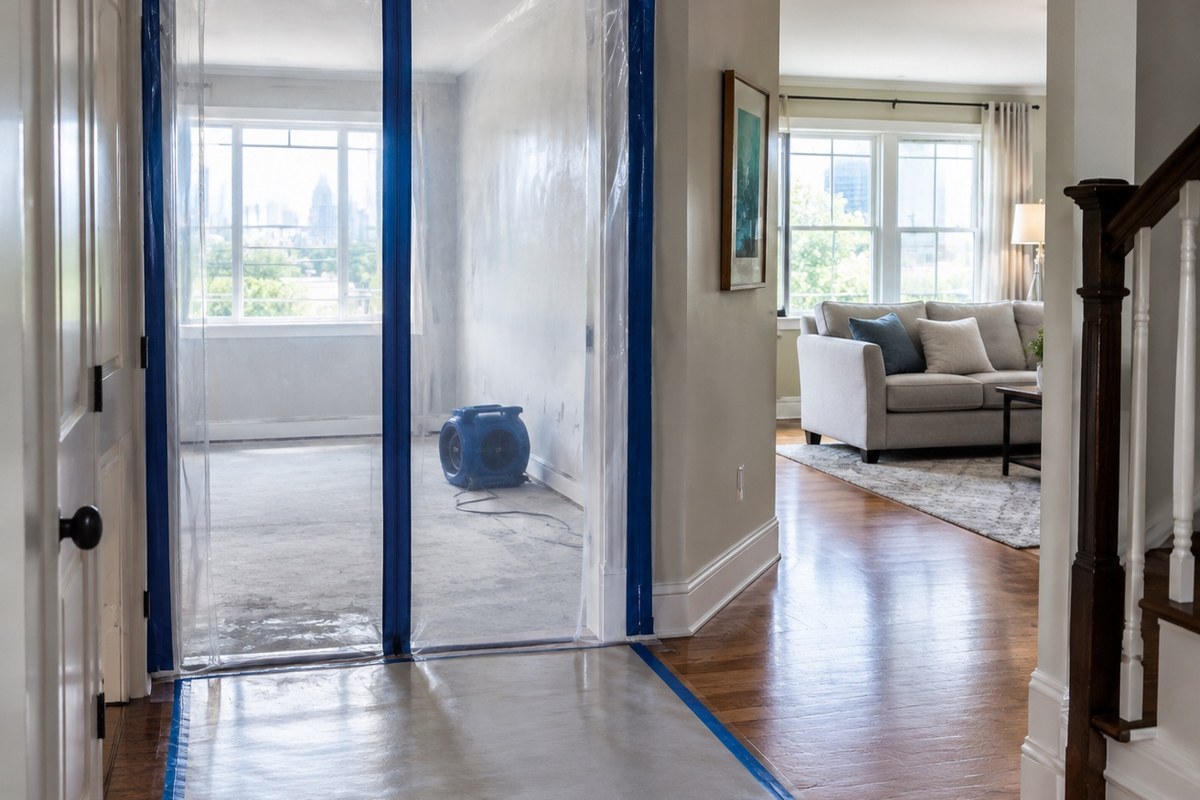
Equipment, removed flooring, restricted rooms, and disconnected utilities can make normal use impractical. Ask which areas are off limits, whether bathrooms and exits remain usable, and how containment will be maintained.
Discuss relocation and coverage separately
Your insurer can explain any policy coverage for temporary accommodation. The restoration company can describe site conditions but cannot guarantee that such expenses will be paid. Review any treatment-specific occupancy restrictions before work starts.
Your next steps
- Ask about electrical, structural, and contamination clearance.
- Keep children and pets away from equipment and work zones.
- Review relocation questions with your insurer.
Safety and recovery references
- EPA: Flood cleanup and indoor air quality
- CDC: Mold cleanup after disasters
- National Flood Insurance Program: Recovery checklist
General guidance does not replace a site assessment, licensed trade advice, or your insurer’s policy review. Keep out of areas with electrical, structural, or contamination hazards.